Virtul Showrooms
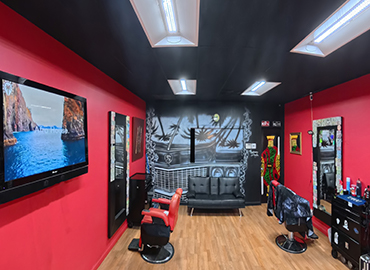
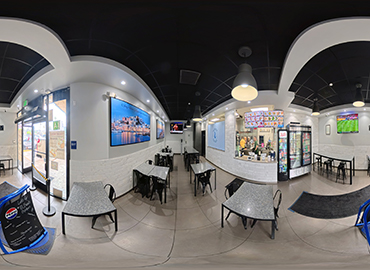
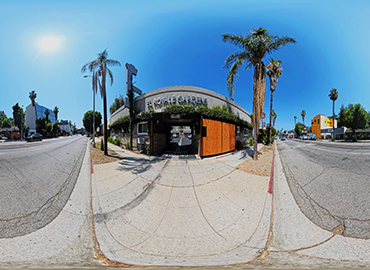
A virtual showroom is a digital replica of a physical showroom, built using advanced 3D, augmented reality (AR), and virtual reality (VR) technologies. Leading brands like BMW, IKEA, and Amazon are using virtual showrooms as a core part of their customer experience strategy.
These immersive environments allow users to explore, personalize, and interact with products—viewing them from every angle and even visualizing them in their own space. By bringing products closer to the customer, virtual showrooms can rival—and often surpass—the experience of visiting a physical store.
Beyond convenience, virtual showrooms eliminate the need for travel while offering an engaging and realistic digital experience. Customers gain instant access to a full range of products, while brands benefit from the ability to showcase their entire catalog, including every possible configuration.
This is especially powerful for companies with highly customizable products, such as furniture retailers. Without physical space limitations, brands can deliver real-time customization and a seamless, enriched buying experience.
Beyond convenience, virtual showrooms eliminate the need for travel while offering an engaging and realistic digital experience. Customers gain instant access to a full range of products, while brands benefit from the ability to showcase their entire catalog, including every possible configuration.
This is especially powerful for companies with highly customizable products, such as furniture retailers. Without physical space limitations, brands can deliver real-time customization and a seamless, enriched buying experience.
The Rapid Rise of Virtual Showrooms
Virtual showrooms are a rapidly growing trend, with the market valued at $4.55 billion in 2023 and projected to reach $18.31 billion by 2030. Since their emergence in 2016, virtual showrooms saw a major surge in adoption during the pandemic, as in-store shopping plummeted. Brands were forced to adapt quickly, offering customers the ability to browse and shop from the safety and comfort of their homes. What many discovered was that virtual showrooms could deliver an immersive, seamless, and highly convenient shopping experience.
According to research by Shopify, offering 3D and AR experiences can increase conversion rates by up to 94%. As this technology becomes more widespread, consumer expectations are shifting across industries. A Google survey found that 43% of U.S. smartphone shoppers expect all beauty brands to offer AR, while 47% expect the same from automotive brands. The study concluded that “AR and visual search help customers not only better understand your products, but to see how they fit into their lives.”
For furniture companies, that insight is particularly powerful—AR enables shoppers to visualize products in their own spaces, making it a critical tool for driving engagement and purchase confidence.
According to research by Shopify, offering 3D and AR experiences can increase conversion rates by up to 94%. As this technology becomes more widespread, consumer expectations are shifting across industries. A Google survey found that 43% of U.S. smartphone shoppers expect all beauty brands to offer AR, while 47% expect the same from automotive brands. The study concluded that “AR and visual search help customers not only better understand your products, but to see how they fit into their lives.”
For furniture companies, that insight is particularly powerful—AR enables shoppers to visualize products in their own spaces, making it a critical tool for driving engagement and purchase confidence.
Why Virtual Showrooms Offer More Than Just Immersion
Today’s buyers increasingly rely on immersive shopping tools to make confident purchasing decisions. Virtual showrooms take that experience to the next level—delivering benefits that go beyond what even physical showrooms can offer.
- Full Product Access & Real-Time Customization Virtual showrooms allow customers to instantly view and explore an entire product catalog. For furniture retailers, that means showcasing every item in its ideal setting, with the ability for shoppers to customize features like color, material, and size. Buyers can then visualize their personalized designs in their own space—ensuring both fit and aesthetic alignment before purchasing.
- Anytime, Anywhere Access Unlike physical stores, virtual showrooms remove the limitations of store location, product availability, and operating hours. Customers can explore products at their convenience—day or night—and experience them in detail, which is especially valuable for high-consideration purchases like furniture.
- Unlimited Display & Easy Updates Once built, a virtual showroom can remain online indefinitely. There are no space constraints, allowing brands to upload unlimited products, variants, and configurations. Updates to the product catalog can be made in real time, making it easy to showcase new offerings as soon as they're available.
- Personalized, Memorable Shopping Experiences Virtual showrooms create highly engaging, tailored experiences that increase brand awareness and drive customer interest. By offering this level of personalization and convenience, brands can stand out in the competitive retail and e-commerce landscape—and stay top-of-mind throughout the buyer’s journey.
How to Bring the Power of a Virtual Showroom to Your Business
Virtual showrooms deliver a wide range of benefits for both businesses and their customers. By creating an immersive, always-accessible showroom experience, companies can dramatically expand their reach—engaging existing customers and attracting new prospects. With immersive visualization, real-time product configuration, and integrated AI capabilities, businesses can claim their space in the digital marketplace and stay ahead in a rapidly evolving buying and branding landscape.If you're looking to gain a competitive edge by launching your own virtual showroom, here’s a simple three-step process to get started:
- Partner with the Right Technology Expert Collaborate with an experienced provider who specializes in building, managing, and scaling immersive digital experiences. Their guidance is essential for ensuring a seamless and effective implementation.
- Define Objectives and Scope Set clear goals and expectations from the outset. Identify the purpose of the showroom, target audience, project scope, and measurable outcomes to ensure alignment across stakeholders..
- Build a Scalable 3D Content Strategy Develop a robust pipeline for high-quality 3D product models. These assets should follow industry best practices and be optimized for performance and realism within virtual environments.
With these foundational steps in place, your virtual showroom can be tailored to your business needs—whether you're showcasing a small selection or an entire product catalog.
The technology is ready, and leading brands are already seeing the results. Let us help you unlock the full potential of virtual showrooms for your business.
Why Choose 360.CastValet.Com
We combine certified Street View expertise, high-resolution 360° imaging, and optional aerial drone coverage with professional narration and seamless production—powered by our parent company, CastValet Productions, and its broadcast-quality 4K video technology. From capture to final delivery, every tour is crafted to elevate your brand, engage your audience, and turn virtual visits into real-world results.